

Carbon paddle descriptions often combine a fiber designation, a weave description, a surface treatment, and a construction method in one title. Those terms describe different parts of the product. Separating them helps buyers prepare a specification that a factory can quote consistently.
Read the complete construction
Consider the T700 raw carbon open-throat thermoformed paddle and the 3K carbon fiber thermoformed paddle. Their names identify several design choices, so they should not be treated as interchangeable products with different graphics.
A T700 designation and a 3K description are not opposite ends of one performance scale. Ask the supplier to identify the actual face material, fabric construction, layer arrangement, and finish used on the quoted model. A title alone does not establish the complete laminate specification.
Separate appearance from surface feel
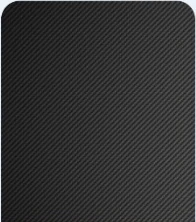
Check the face sample under consistent lighting and handle it before approving the finish. Record whether visible texture is part of the laminate surface, a coating, or another finishing step. A photograph can show the weave or color, but it cannot establish the complete playing characteristics or durability of that surface.
If your brand uses a large printed graphic, evaluate the finished printed sample as well as the blank. Artwork placement and finish should be reviewed together, especially when the visual design covers much of the hitting surface.
Compare like-for-like samples
- Use the same outline and handle dimensions where possible.
- Agree on core material, thickness, and target weight.
- Identify the edge construction and manufacturing method.
- Compare the final graphic and surface finish, not only an unprinted blank.
The open-throat design in the first linked model is another variable to consider. If your aim is to compare face materials, ask whether both face options can be sampled on the same outline. Otherwise, your feedback will describe the complete paddles rather than the face materials in isolation.
Approve a product, not a buzzword
Build your order around an approved sample and a written specification. Include the artwork revision, face finish, dimensions, weight requirements, and packaging. If competition approval is relevant to your market, request documentation for the exact model and version instead of relying on a term in a catalog title.
Start with the linked carbon models and send your intended buyer profile, quantity, and preferred construction. This gives the manufacturer enough context to recommend a sample plan without making unsupported assumptions about the product you want.